Mid-North Coast Pacific Highway Upgrade Ecological Monitoring
Assessing the success of biodiversity mitigation measures for a major highway upgrade
Client: Transport for NSW (TfNSW)
Industry Sector: Transport infrastructure
Service: Ecological monitoring
Location: Mid North Coast, NSW
About this Project
Niche implemented the Ecological Monitoring Program (EMP) for two key sections of the Pacific Highway Upgrade (Oxley Highway to Kempsey and Frederickton to Eungai) for more than a decade for Transport for NSW (TfNSW).
The project area covered agricultural land, state forest, rivers and state-listed wetlands, with a range of species, from gliders to frogs, potentially impacted. As part of their approval conditions for the upgrade works, TfNSW were required to implement an EMP.
Niche was appointed in 2014 to undertake ecological monitoring of both threatened species and biodiversity mitigation measures in line with the EMP, allowing for the success of mitigation measures and potential impact on threatened species to be assessed over time.
Our Ecology team performed extensive surveys along and adjacent to the 38 km stretch of the Pacific Highway from 2014 to 2025 for the various threatened species and mitigation measures relevant to the project, collecting baseline, construction and post-construction data for the project.
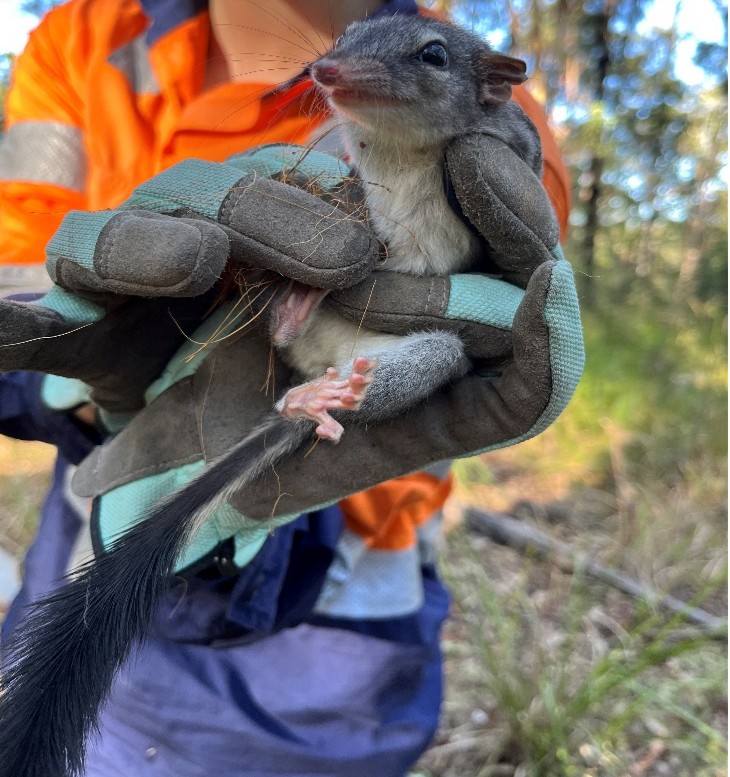
Specialist ecology survey skills
The complexity of this large monitoring program required extensive planning and a specialist ecological skill set. We were required to utilise numerous field survey techniques, monitor across numerous habitats, different seasons and weather events to accommodate the wide range of mitigation measures and target threatened species.
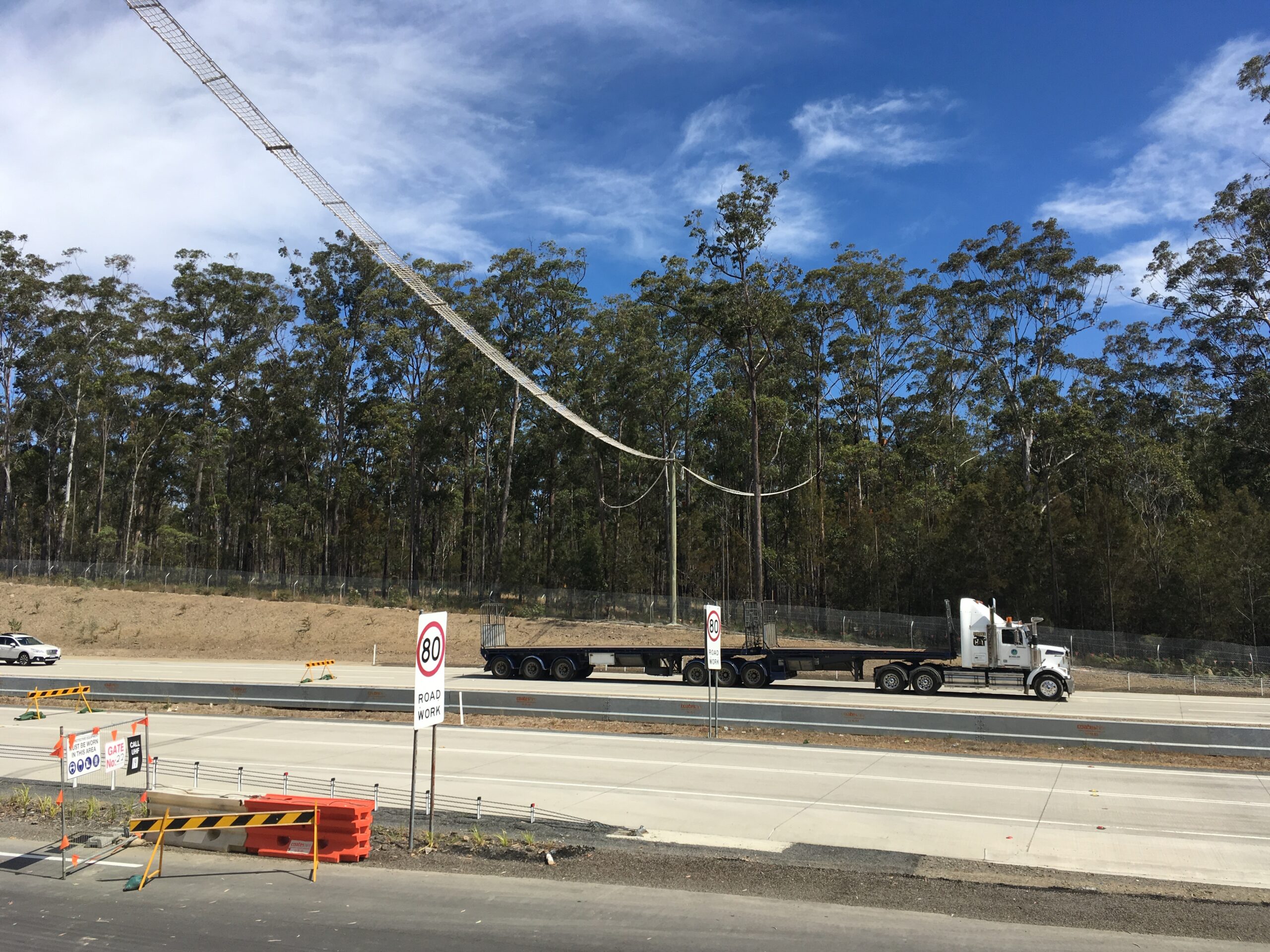
Mitigation measures for the project included dedicated fauna underpasses and combined drainage and fauna underpasses, aerial rope bridges and glider poles, artificial frog breeding ponds, the retention of a widened median and fauna-specific exclusion fencing.
These measures were designed to mitigate impacts to a variety of threatened fauna.In addition to the techniques used to monitor the success of the mitigation measures, Niche were required to complete species-specific monitoring to identify potential change attributable to the project.
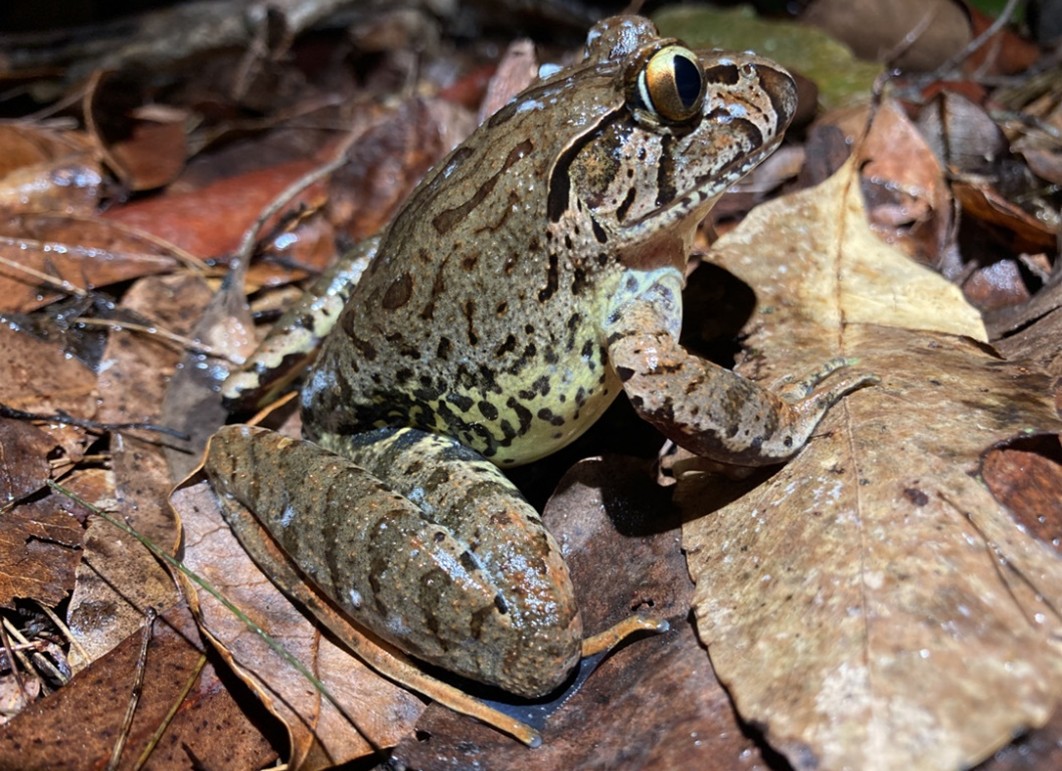
“I was fortunate enough to work on the project as the field lead and one of the primary ecologists for over seven years. During my time on the project I was lucky to gain extensive experience in a wide range of fauna survey techniques and observe or handle numerous threatened species that some ecologists have not experienced over their career. My favourite threatened species found on this project would have to be the Giant Barred Frog and Brush-tailed Phascogale”.
Jodie Danvers, Senior Consultant – Ecology
Long-term monitoring of mitigation measures
Remote camera trapping was used to assess the successful use of connectivity mitigation measures by target threatened species and other native fauna. Connectivity measures, including a widened median, fauna underpasses, glider poles and rope bridges, were monitored seasonally over a period of three to six years.
Hair tubes, sand plots and scat searches were paired with remote cameras to provide a full picture of the use of fauna underpasses and their success in providing a passage for fauna movement. Niche were able to successfully demonstrate the use of connectivity measures by the target fauna, including regular use of underpasses by the Koala and even a record of the cryptic Spotted-tailed Quoll (as published here).
Flooding and frogs
Niche employed techniques including call playback, spotlighting, habitat monitoring points and pit tagging along established transects to monitor populations of threatened the Giant Barred Frog along six creeks three times a year for a period of eight years.
Triggered by rainfall, our local ecologists would head out for long nights along the creeks battling rain, steep banks and lantana growth to locate and tag frogs to monitor populations over spring, summer and autumn. Specialist handling skills were utilised to tag, measure and weigh individuals, with individuals recaptured over subsequent years and seasons.
This capture-mark-recapture (CMR) technique permitted identification of individuals over the years and provided an insight into the species’ longevity and movements. The CMR demonstrated that individuals maintained bi-directional movement along creek habitat that passed under the active highway.
Collaborating and evolving for best outcomes
We worked in close collaboration with our client TfNSW to deliver positive outcomes throughout the project. A key focus of the project was adapting survey methodology to better detect threatened species. For example, due to infrequent observations of microbats using installed bat boxes, Niche conducted targeted survey of bridges and culverts to assess their use by the threatened microbat species. Our team found that the target microbat species preferred habitat provided by concrete structures and culverts provided by the project and were able to demonstrate that ongoing persistence of the species within the project area.
Niche also assisted TfNSW to implement contingency measures associated with mitigation performance measures. For example, conducting additional surveys for Green-thighed Frogs in adjacent areas to confirm the species persisted in areas of natural habitat adjacent to the highway.
“The duration and complexity of this program of works provided us with some interesting fieldwork experiences – hours navigating off-road trails by car and by foot in dense vegetation, up steep hills, along creeks and wet swamps during all seasons. From long summer days deploying monitoring equipment, to cold winter nights in the rain and late balmy summer nights spent spotlighting. It was an experience that created memories that will last a lifetime and that the team would not trade – except perhaps for a dry pair of socks, on occasion!”
Radika Michniewicz, Ecology Manager
Key People
-
Dr Radika Michniewicz BSc (Hons), PhD
Manager – Ecology

-
Jodie Danvers BEnvSc
Senior Consultant – Ecology