Kamay Wharves Aquatic Ecology.
Helping protect seagrass alongside historic ferry wharves redevelopment
Client: Transport for NSW (TfNSW)
Industry Sector: Transport infrastructure
Service: Aquatic ecology assessment and monitoring
Location: Kamay/Botany Bay, NSW
About this Project
Niche undertook aquatic ecological assessments and seagrass monitoring over several years for Transport for NSW (TfNSW) on the Kamay Wharves project
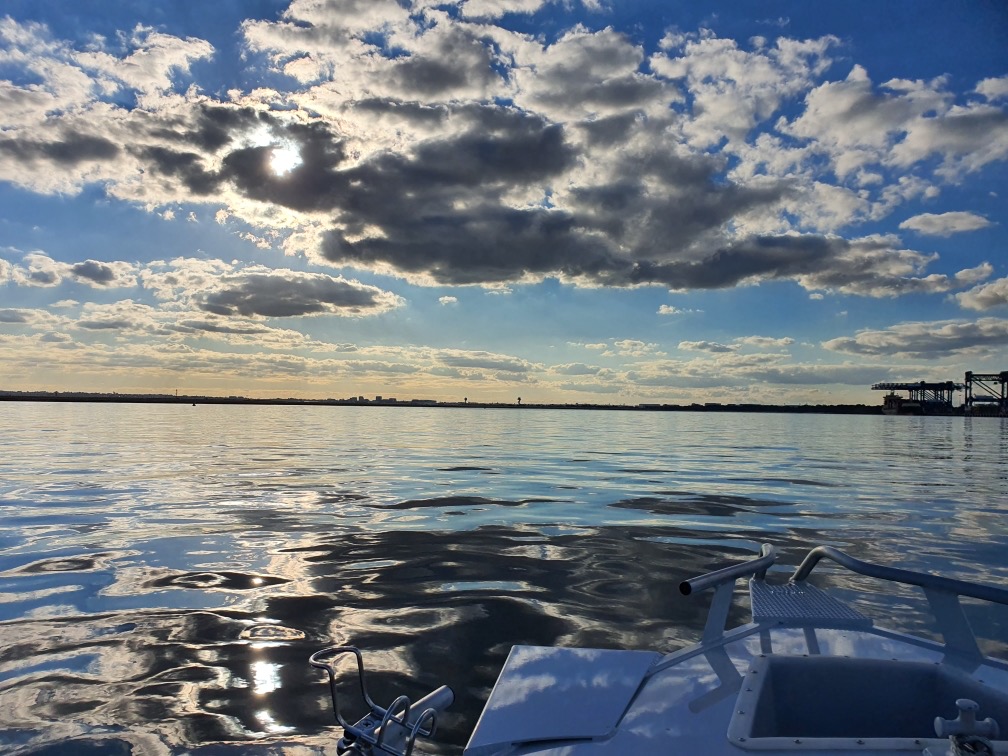
The Kamay Wharves project was undertaken by TfNSW to replace two wharves that were irreparably damaged by severe storms in 1974. The Kamay Wharves provide for a future ferry connection between the north and south shores of Kamay, as well as providing a berth for private and commercial vessels.
Due to the scale and location of the project, a meticulous approach to environmental stewardship was required. We assessed potential impacts to the sensitive aquatic ecological values present within the area.
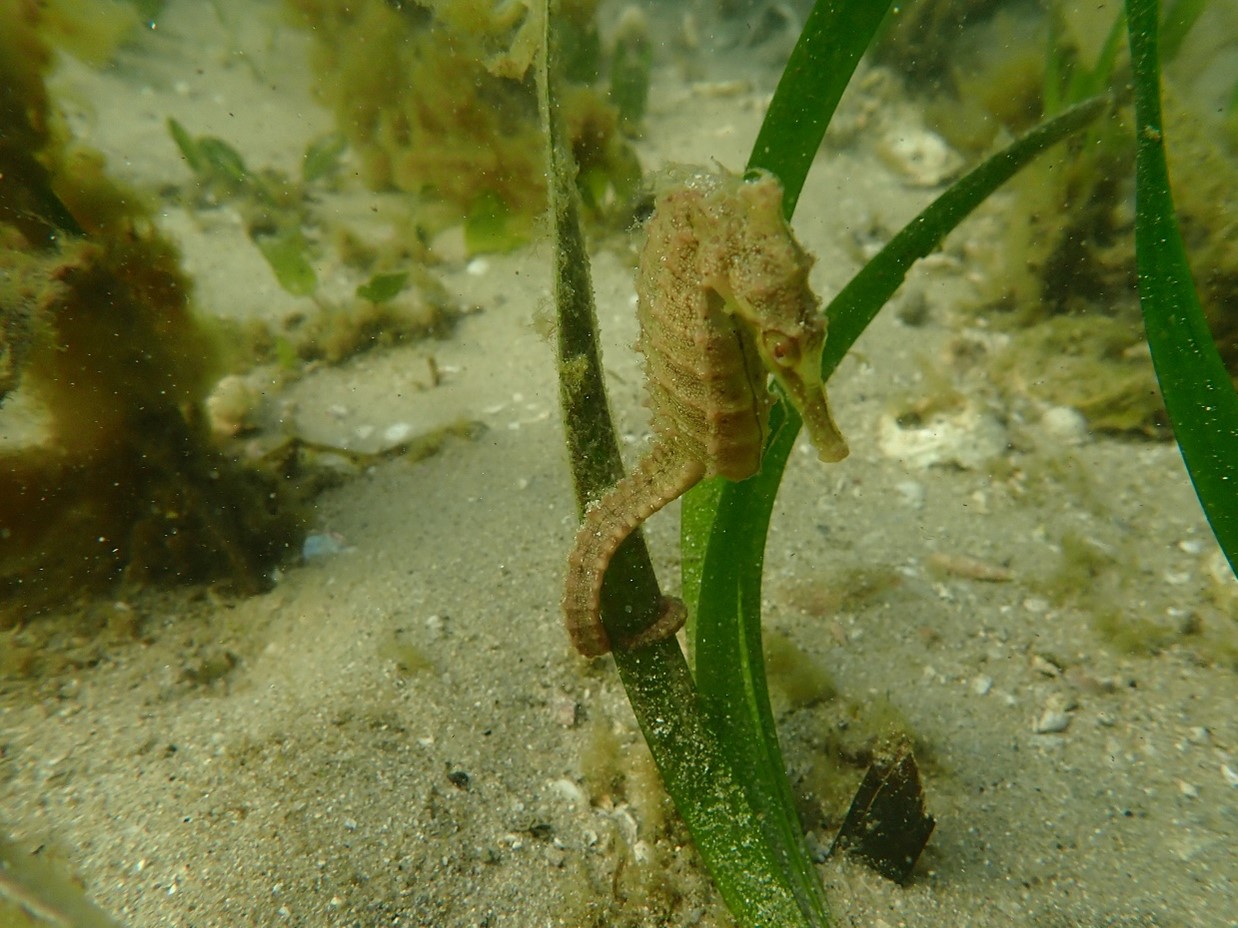
This included Protected and Endangered seagrass communities that provide important ecosystem services and support crucial habitat for a diversity of marine life, such as the Endangered White’s Seahorse (Hippocampus whitei) that was detected during surveys. This complex monitoring program aimed to identify any large-scale changes in seagrass composition and distribution during construction.
Niche, with support from the H2O Consulting Group, performed four surveys from 2021-2022 on the various species of seagrasses in Kamay to establish a robust pre-construction baseline. Once construction of the wharves began, we continued monitoring services for the duration of the project until December 2024.
“Niche and H20 partnership provided professional and timely reporting and supported the Kamay Wharves project with sound technical knowledge, robust experimental methodology, detailed statistical analysis and a high standard of reporting quality. This was key in establishing and maintaining good working relationships with regulators.”
Transport project team
Comprehensive approach for a complex project
The complexity of the study area and importance of the seagrass communities present demanded a robust and complex monitoring program that incorporated multiple assessment methods and developed over the life of the project.
This comprehensive approach, integrating a range of quantitative and qualitative sampling techniques, established a robust baseline dataset allowing us to both rapidly detect acute changes that could be quickly investigated, and to complete more complex analyses to detect more subtle indicators of change.
Working in partnership with H2O Consulting Group, the project involved seagrass mapping using a tow-camera and interpolation analysis by Niche’s GIS team. This was undertaken by building a surface delineating the boundaries of seagrass patches. Statistical tools were used to clean the boundaries, which were then manually edited to align with seagrass observations and high-resolution aerial imagery.
Dive survey was completed to collect a range of qualitative data on condition of the beds of Posidonia australis present (part of the Endangered Population within Botany Bay) and other seagrass species. Drop camera data collection was also used to sample Halophila- and Zostera-dominated seagrass beds.
“Combining methods enabled us to build a strong understanding of differences in seagrass assemblages present within the environment. This project was a great example of aquatic ecology knowledge, field survey experience and spatial skills working in partnership to deliver quality insights.”
Luke Stone, Senior Principal – Aquatic Ecology
Navigating severe weather events
Baseline surveys occurred during an intense and prolonged La Nina period and several east coast lows, affecting the sites by intense rainfall, high swells and flooding. During the construction monitoring surveys, the sites were again affected by strong easterly swells.
These events presented challenges to the program, with complex and detailed analysis required to understand the short-term and long-term responses to these factors and ensure that natural levels of decline could be understood, and separated from any potential project effects.
Collaborating for positive outcomes
A great example of our collaboration was to plan and deliver a rehabilitation strategy to stabilise and protect surrounding seagrass and resulted in over 100 Posidonia australis fragments being salvaged and transferred to the University of New South Wales for use in the project’s offsetting work.
Niche also provided TfNSW with records that identified the presence of White’s Seahorse, an Endangered seahorse, using the seagrasses in the survey area as habitat. This confirmed the continued presence of this species within the survey area during and following construction works. TfNSW has now installed ‘seahorse hotels’ as artificial habitat for White’s Seahorse within Kamay to support the conservation of the species.
“Niche and H20 partnership contributed to successful project outcomes and their collaborative approach also benefited the seagrass rehabilitation scope by responding to the opportunity to salvage additional shoots and transfer to UNSW for replanting. The Whites Seahorse observations during monitoring events contributed to the development of the Seahorse Hotel plan.”
Transport project team
Key People
-
Luke Stone MRes (Env), BSc (Environmental Biology)
Senior Principal – Aquatic Ecology