Niche bird and bat studies team grows to support wind energy projects
December 8, 2025
News & Insights
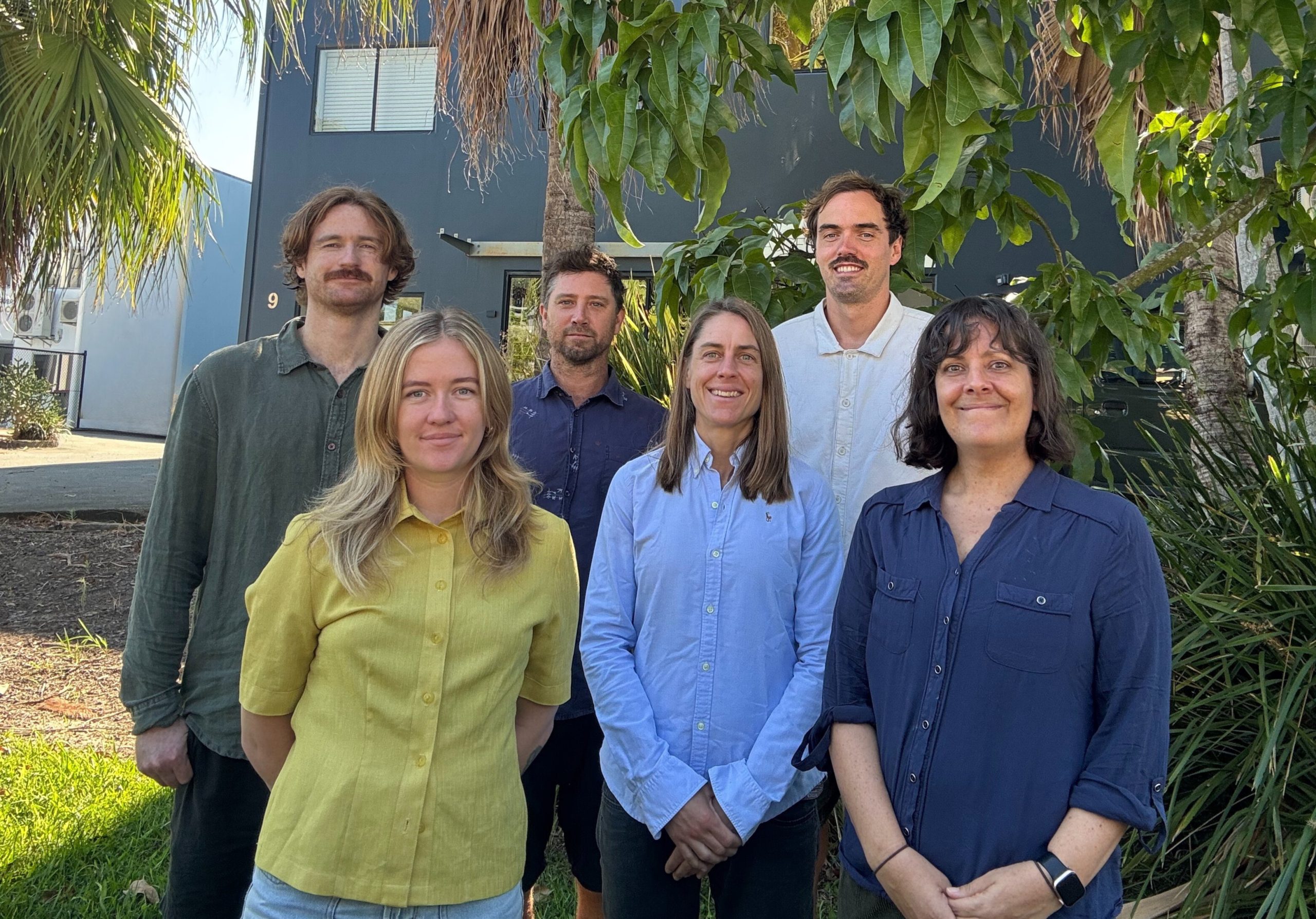
As Australia races to meet its clean energy targets, Niche has strengthened our renewable energy capability with the appointment of renowned ecologist Gavin Thomas to lead our bird and bat studies team.
With wind energy developers across Australia face increasing scrutiny over biodiversity impacts while striving to accelerate project approvals, there is significant demand for bird and bat services.
Ecologist Gavin Thomas in the field conducting bird and bat studies
Growing team and capability
Gavin is a respected terrestrial ecologist with more than 20 years’ experience, and is recognised nationally for his expertise in bird and bat assessment and monitoring for large-scale energy projects. His appointment as Ecology Practice Leader expands our growing ecology team across New South Wales, Queensland and Victoria.
The team is delivering a range of services for major wind farm developments, including:
- Aerial Risk Assessments (RAs) for ‘at-risk’ species
- Bird and Bat Utilisation Studies (BBUS)
- Bird and Bat Adaptive Management Plans (BBAMP)
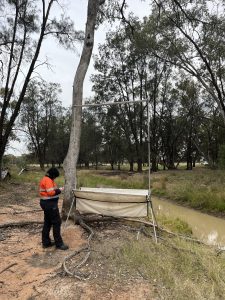
Ecologist Cara Parsons during a bat survey
Why bird and bat expertise matters
Bird and bat interactions are one of the most significant environmental considerations for wind energy projects worldwide and here in Australia. Regulators and approval authorities require developers to show how any potential impacts will be identified, avoided, minimised and monitored.
Bird and bat populations can be impacted in a range of ways, including turbine strike, pressure changes due to the passage of a turbine blade (barotrauma), habitat displacement, and changes to migratory behaviour.
Expert guidance is required to understanding these impacts from a project, which can take years of specialised fieldwork, seasonal data collection, and sophisticated modelling. Without robust baseline studies, projects can face costly delays, redesigns, or compliance challenges.
Bird and bat assessments can take years of seasonal monitoring, and missing a migratory window can put project timelines at risk.
Developers who partner with experienced ecological teams early are best positioned to deliver projects on schedule and to the highest environmental standard.
Find out more
Follow us
Excellence in your environment
-
Gavin Thomas BAppSc (Environmental Mgmt)
Practice Leader – Ecology