Integrated Farm and Land Management: What to know about the new carbon method
Author: Julia Ward, Project Developer – Natural Capital
January 29, 2026
News & Insights
Australian landholders and carbon market participants will be keen to hear that new opportunities for land-based carbon abatement projects are just around the corner.
Julia Ward, Project Developer – Natural Capital, explains what the draft Integrated Farm and Land Management (IFLM) Method will unlock for scaling carbon projects.
The draft Integrated Farm and Land Management (IFLM) Method under the Australian Carbon Credit Unit (ACCU) Scheme was released in December.
The method builds on learnings from Australia’s evolving carbon market and sets out a new approach for integrating multiple carbon credit generating activities on the same property.
What activities are included?
The innovative aspect of the IFLM method is the opportunity to generate carbon credits from multiple abatement activities on the same property—effectively enabling “stacking” of carbon credit generation from different activities. This is a step forward for methods under the ACCU Scheme that have previously focused on a single activity per method.
The draft method outlines three project activities:
- Regeneration of native forest on cleared land
- Reforestation by environmental or mallee planting
- Regeneration of native forest on suppressed lands
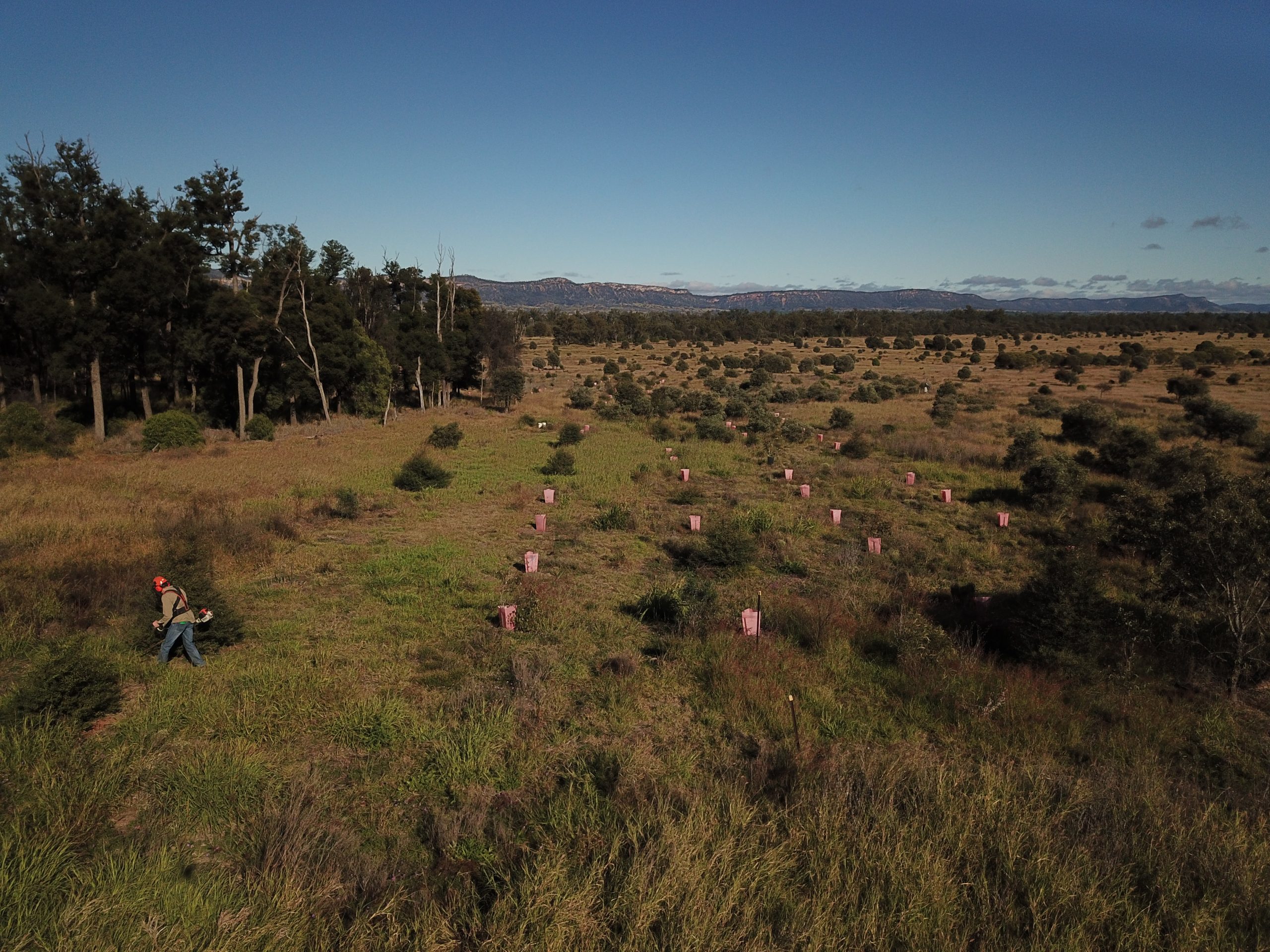
In practice, this could mean a property with land in various states of degradation, such as paddocks cleared for agriculture, heavily grazed areas and areas of unmanaged native forest, could implement several different management actions to restore native vegetation and generate ACCUs from those activities.
The carbon abatement from the activities must be scientifically robust—baseline requirements, clear evidence and no double counting are all built into the method.
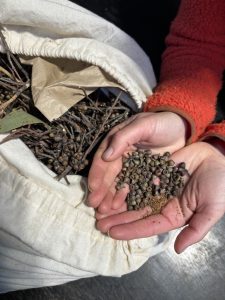
Native seeds that could be used for an IFLM project
A soil carbon activity (drawing from the Soil Carbon method ) is not included in the draft IFLM method but may be incorporated in the future. The framework IFLM method is in fact designed to allow more activities, measurement technologies, calculation approaches and carbon pools to be added over time.
The full details of the new method will be teased out over the coming months, with the consultation closing at the end of February.
Stacking carbon and biodiversity benefits
Landholders with biodiversity projects, such as a Biodiversity Stewardship Site in NSW, will soon be able to use the IFLM method to introduce complementary project activities on separate areas of their land to generate carbon credits in addition to biodiversity credits.
There will also be opportunities to link IFLM projects with voluntary biodiversity initiatives like Accounting for Nature and the Nature Repair Market – frameworks that are also core to Niche’s expertise in natural capital markets.
How to get involved
Whether you already own land or are looking to purchase for an environmental project, it can be a challenge to navigate all the available schemes and methods to identify the right pathway for the best on-farm outcomes, credit yield and return on investment.
The starting point is to understand the carbon and biodiversity values of any property asset. The best way to do this is to commission a ‘highest and best use’ land study to assess the opportunities of the land, looking at traditional areas like agriculture and also commercial opportunities within compliance and voluntary nature markets.
Often proponents or developers will start with a specific method or scheme in mind, but taking a ‘land first’ approach will ensure you identify the best commercial and nature outcomes, such as stacking IFLM and biodiversity at the site.
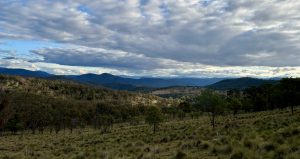
Landholders can explore opportunities to stack biodiversity and carbon projects
How Niche is supporting landholders and investors
At Niche, we work with landholders with existing property assets and biodiversity projects, investors looking to buy land and develop projects for their natural capital portfolio, and corporates seeking innovative ways to source carbon and biodiversity credits for their own requirements.
Our highly-experienced Natural Capital team combine deep ecological knowledge and environmental markets experience to take a holistic approach to nature opportunities, from corporate strategy to project feasibility and on-ground execution.
The IFLM method will enhance investment certainty and drive momentum for new projects. Please get in touch with us today to see how we can support you to explore these opportunities.
Find out more
Follow us
Excellence in your environment
About the author
-
Julia Ward MEng, BEnv
Project Developer – Natural Capital