From impact assessment to offsetting in Queensland: How to plan for success
Authors: Chani Wheeler, Ecology Technical and Commercial Lead & Ralf Regeer, Executive General Manager, Ausecology
January 23, 2026
News & Insights
Queensland’s environmental offset landscape is already complex, with overlapping state and federal requirements and lengthy, complicated processes. Now, with the Australian Government’s reformed Environment Protection and Biodiversity Conservation Act (EPBC Act) being rolled out, uncertainty is increasing — particularly as EPBC requirements drive much of the offsetting activity in the state.
For project proponents, this means one thing: offsets need to be considered much earlier in the project lifecycle.
Chani Wheeler, Ecology Technical and Commercial Lead, and Ralf Regeer, Executive General Manager at Ausecology delve into their vast industry experience to share their top recommendations for developers in Queensland to plan for successful offsetting from the impact assessment phase all the way through to on-ground implementation.
Why offsetting is not an afterthought
Failing to plan for offsets upfront can lead to costly delays for your project. Securing offsets before approval is no longer optional, it’s essential. For projects, land-based offsets will be required. These take time to establish and can no longer just be a box to tick later in the project.
For projects deemed a “controlled action” under the EPBC Act, offsets will be required to deliver a net-gain outcome for the impacted matters. Early planning will be essential to ensure these outcomes can be effectively delivered.
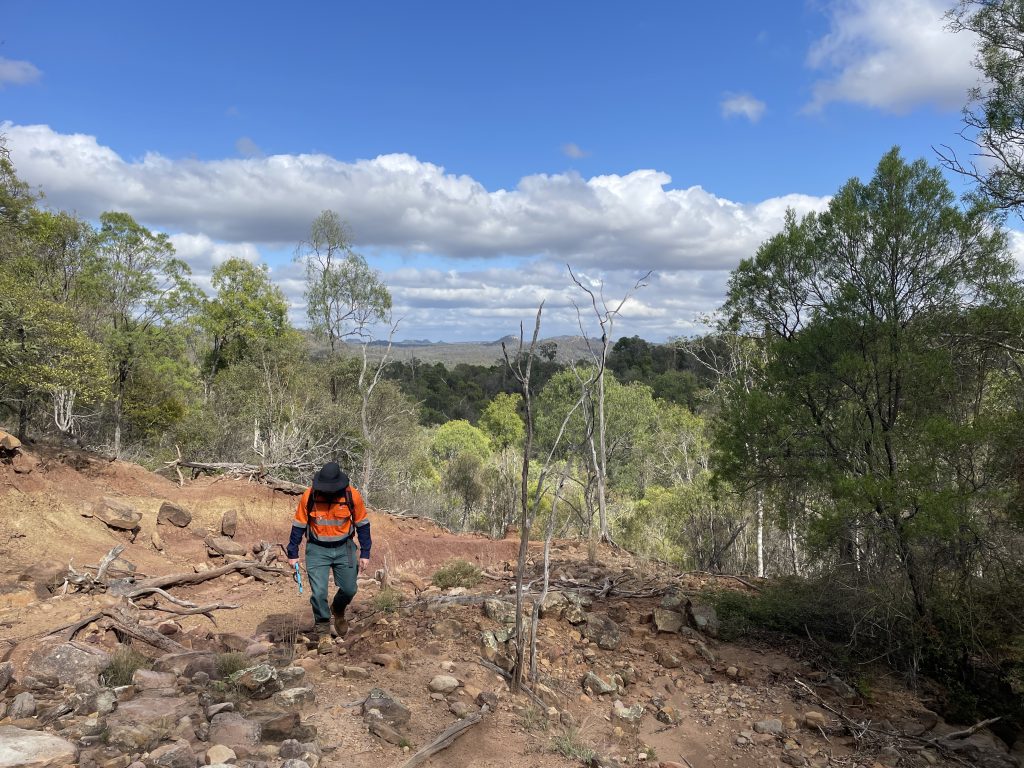
Ecologist conducting flora surveys on an offset site
A typical timeline for offsets
In our experience, the establishment of an offset site can take 12-18 months. However, a complex offset strategy could take even longer. Offset site management must typically commence prior to the commencement of construction. And offset sites must typically be legally secured before or shortly after construction.
And it’s not just the time upfront you need to consider—offsets are a long-term commitment. Typically, proponents will have up to 20 years to meet offset completion criteria. However, with the push for ‘net gain’ outcomes rather than ‘no net loss’, timelines are shifting and may now extend for the life of the project.
Considering offsets during impact assessment
The impact assessment stage of your project is the ideal time to consider offsets as it’s here that you will have the greatest opportunity to reduce your offset liability, delivery costs, and risks.
The more matters impacted by your project, the more complicated and expensive your offsetting becomes. Arm yourself with robust ecological data and deploy evidence-based avoidance and mitigation strategies early on to minimise your project impacts and offset requirements.
Close collaboration between your ecology and offsetting teams is essential to ensure viable performance outcomes are identified and an adaptive, cost-effective management approach can be implemented.
To buy or to lease?
There are a range of complex considerations in deciding an appropriate offset delivery strategy, such as whether to lease or buy. Companies will have different appetites for this, but it is critical to understand the legal mechanisms available for establishing a site and for managing the long-term requirements of the offset.
While leasing may seem easier in the short-term, large projects should consider purchasing land to avoid conflicts with other land management. Ultimately, owning land simplifies management actions over the life of the offset. if leasing, ensure strong contractual agreements are in place so you can confidently deliver on your outcomes.
Managing for years to come
Your offset will be a liability for your company long after your project is delivered. Ongoing management and monitoring will be required to demonstrate compliance with agreed performance outcomes.
Employing an expert to oversee your offset delivery will minimise your delivery costs and risks. We recommend:
- Pest and weed management: prioritise actions that will deliver a direct and measurable ecological outcome.
- Fencing: use strategically to minimise costs.
- Net gain: active restoration of regrowth vegetation may offer a viable net gain strategy.
- Budgeting: Employ evidence-based management approaches and allow contingency for the unexpected.
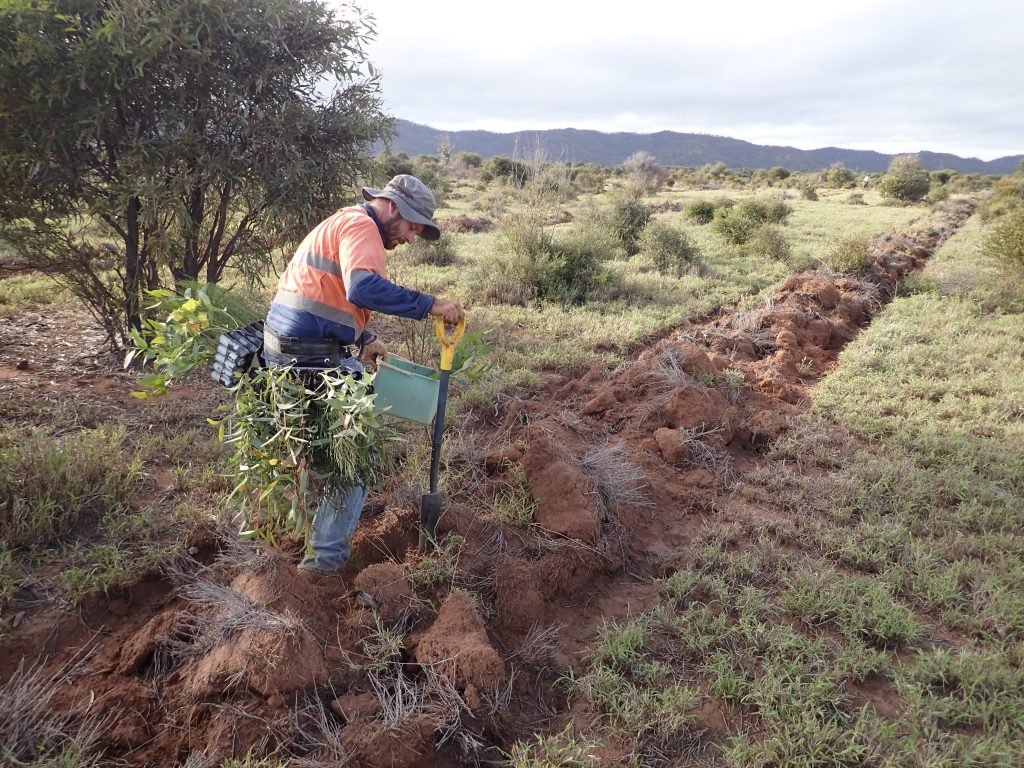
Environmental field officer planting young trees on offset site
Getting help to get it right
Offsetting in Queensland is complex and evolving. Early planning, clear strategies, and proactive site selection are key to avoiding costly project delays and ensuring the future success of your offsets.
With the combined experience of the Niche and Ausecology teams, we bring deep end-to-end expertise across impact assessment, offset strategy, and on-ground implementation.
Get in touch if you would like support to navigate Queensland’s offsetting requirements and deliver outcomes that meet regulatory requirements and environmental goals.
Find out more
Follow us
Excellence in your environment
About the authors
-
Chani Wheeler BSc, MConsBiol, MEIANZ
Ecology Technical and Commercial Lead

-
Ralf Regeer
Executive General Manager