Niche strengthens wind energy capability with leading bird and bat expert appointment
December 8, 2025
Media Centre
As Australia races to meet its clean energy targets, leading environmental consultancy Niche Environment and Heritage has bolstered its renewable energy capability with the appointment of renowned ecologist Gavin Thomas to lead its bird and bat studies team.
The move comes as wind energy developers across Australia face increasing scrutiny over biodiversity impacts while striving to accelerate project approvals. Mr Thomas, a respected terrestrial ecologist with more than 20 years’ experience, is recognised nationally for his expertise in bird and bat assessment and monitoring for large-scale energy projects.
His appointment expands Niche’s growing ecology team across New South Wales, Queensland and Victoria, which has a strong capability in aerial Risk Assessments (RAs) for ‘at-risk’ species, Bird and Bat Utilisation Studies (BBUS), and Bird and Bat Adaptive Management Plans (BBAMP) for major wind farm developments.
With the Climate Change Authority estimating Australia will need to quadruple its wind capacity by 2035, Niche’s Executive Director – Commercial, Lawrence Smith, said the right environmental expertise is critical to balancing development and sustainability.
“Australia needs to rapidly increase our renewable energy capacity in a way that limits biodiversity impacts — and that is absolutely achievable with clear policy, smart regulation and flexible project design.”
“Biodiversity experts like Niche play a crucial role in helping developers make informed decisions, ensuring strong environmental science and positive biodiversity outcomes go hand in hand with efficient project delivery,” said Mr Smith.
Why bird and bat expertise matters
Bird and bat interactions are one of the most significant environmental considerations for wind energy projects worldwide. Turbines can affect bird and bat populations through turbine strike, the effect of pressure changes due to the passage of a turbine blade (barotrauma), habitat displacement, and changes to migratory behaviour. Understanding these impacts requires years of specialised fieldwork, seasonal data collection, and sophisticated modelling.
Regulators and approval authorities now require developers to demonstrate how potential impacts will be identified, avoided, minimised and monitored — making early, expert ecological input critical to project success. Without robust baseline studies, projects can face costly delays, redesigns, or compliance challenges.
Mr Thomas said early engagement is vital to avoid these risks.
“Bird and bat assessments must start early in the project lifecycle,” he said. “These studies can take years of seasonal monitoring, and missing a migratory window can put project timelines at risk. Developers who partner with experienced ecological teams early are best positioned to deliver projects on schedule and to the highest environmental standard.”
Mr Thomas has designed survey methods and assessment frameworks for some of Australia’s largest and most complex wind projects. His expertise is widely recognised by developers and regulators alike.
In his new role as Ecology Practice Leader, he will lead Niche’s bird and bat studies across eastern Australia, supporting renewable energy clients with expert surveys, impact assessments, and biodiversity management strategies.
Niche has delivered more than 240 renewable energy, storage, firming and infrastructure projects to date, and continues to expand its specialist services supporting Australia’s clean energy transition.
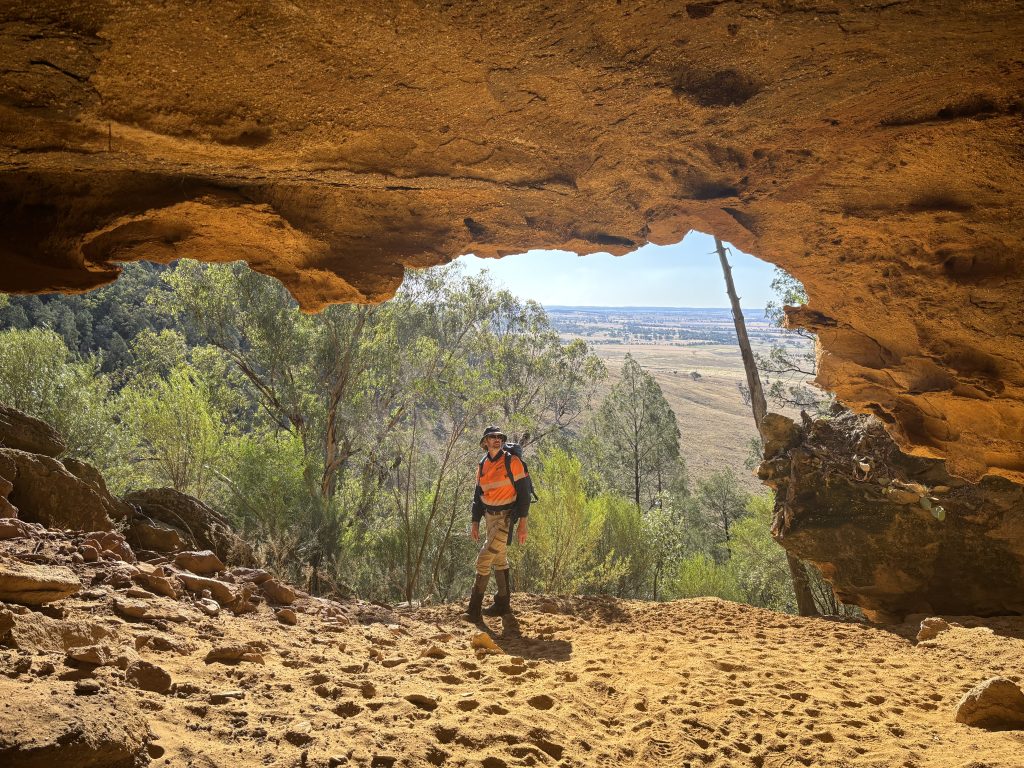
Ecologist Gavin Thomas in the field conducting bird and bat studies
Contact
Carly Youd
Head of Brand, Marketing and Communications
Niche Environment and Heritage
Phone: 0409 675 019
Email: cyoud@niche-eh.com
Find out more
Follow us
Excellence in your environment
Key people
-
Gavin Thomas BAppSc (Environmental Mgmt)
Sector Lead – Energy Transition

-
Lawrence Smith GAICD
Executive Director – Commercial